How to Start a CPR Training Business in 2026: Step by Step
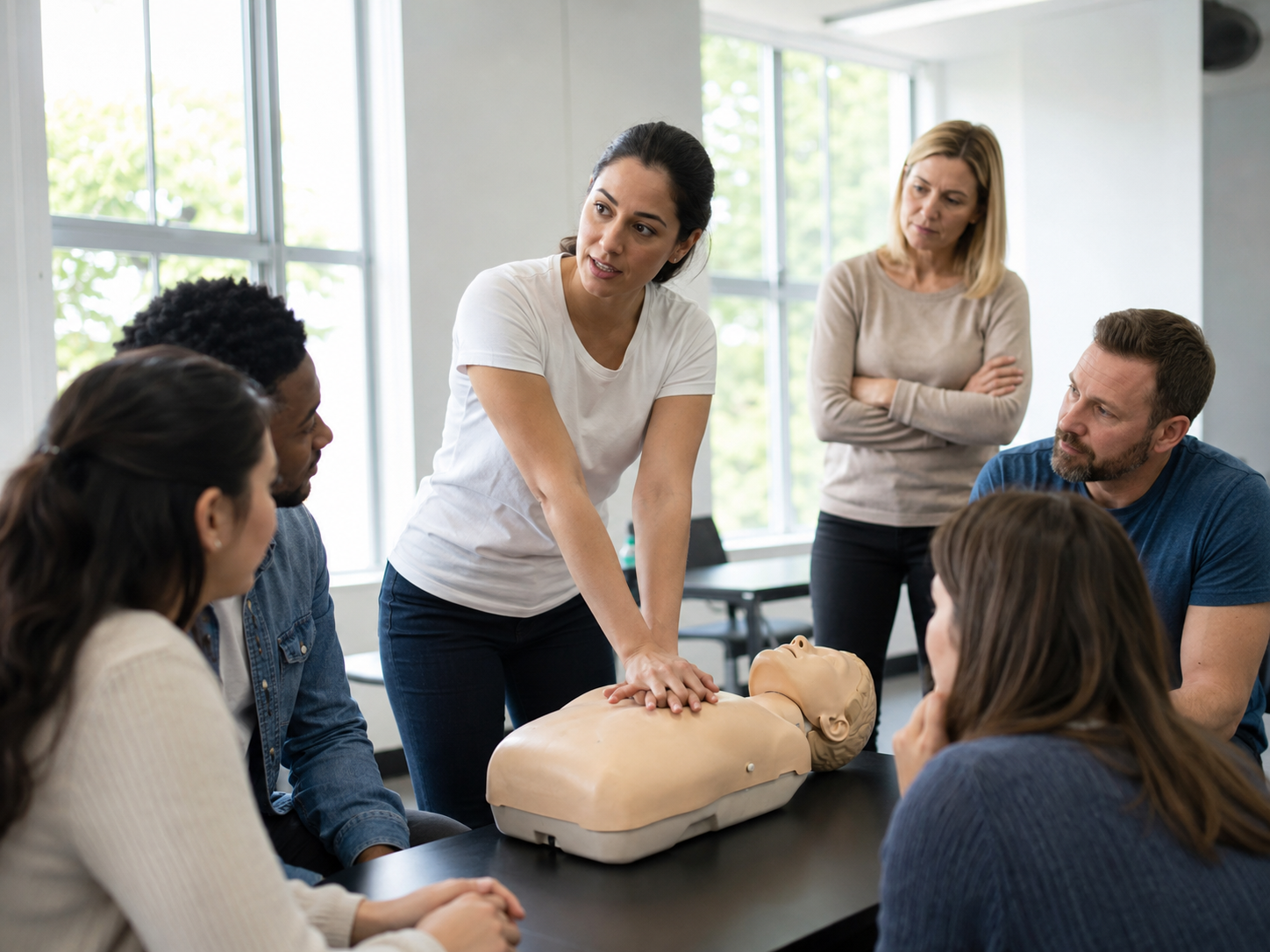
CPR and first aid training might be the most recession proof teaching business there is. Workplaces are required to have trained staff, healthcare workers need recurring certification, and parents, coaches, and caregivers sign up every single week. Demand renews itself every two years when certifications expire.
If you have ever thought about turning that demand into a business, this guide covers the whole path: getting certified to teach, setting up the business, pricing your classes, and filling your first course.
Why CPR Training Is a Strong Business in 2026
Three things make this niche unusually durable:
Recurring revenue is built in. Most CPR certifications expire after two years, so every student is a future repeat customer.
Businesses are your best clients. OSHA requirements and industry rules push companies to certify staff on a schedule, and corporate group classes pay far better than individual seats.
Low overhead. You can teach in rented rooms, client workplaces, or community spaces. Many instructors run six figure operations without ever signing a lease.
Step 1: Become a Certified Instructor
You cannot just teach CPR, you need instructor credentials from a recognized certifying body. The main paths:
American Heart Association (AHA)
The most recognized name, especially for healthcare audiences. You will complete an instructor course through an AHA Training Center and align with that center to issue cards.
American Red Cross
A strong general market option with its own instructor pathway and course materials, popular for workplace and community classes.
Health & Safety Institute (HSI) and Others
HSI, EMS Safety, and similar programs often offer more flexibility and lower ongoing costs for independent instructors, and their cards are accepted by many employers.
Expect instructor certification to cost a few hundred dollars and take a few weeks between coursework and monitored teaching. Many instructors eventually carry credentials from more than one body to serve more client types.
Step 2: Buy Your Training Equipment
Your core kit is straightforward:
Adult, child, and infant CPR manikins (feedback manikins are now expected for AHA courses)
AED trainers
Barrier devices, lung bags, and sanitizing supplies
First aid training materials if you will teach combined courses
A solid starter setup for small classes runs roughly $1,500 to $4,000. Buy enough manikins that students spend the class practicing instead of waiting in line, because hands on time is what earns you reviews and referrals.
Step 3: Set Up the Business Properly
The unglamorous but necessary part:
Register the business. An LLC is the standard choice for liability protection.
Get insured. General and professional liability coverage for training businesses is inexpensive relative to what it protects you from.
Align with a training center if required. AHA instructors work under a Training Center that issues cards, so establish that relationship early.
Open a business bank account. Keep class revenue separate from day one for clean books and easier taxes.
Step 4: Price Your Classes
Typical 2026 ranges in most US markets:
Individual CPR and AED seats: $60 to $95 per person
CPR plus first aid combined: $85 to $130 per person
BLS for healthcare providers: $75 to $110 per person
Corporate group classes: often $500 to $1,200 or more per session depending on headcount and travel
Group and corporate bookings are where the margin lives. One workplace class can equal a full day of individual seats with a fraction of the marketing effort.
Step 5: Get Your First Students
Set Up Local Search First
Create a free Google Business Profile the same week you register the business. Searches like CPR class near me carry high intent, and local results are where those students click.
Go Where the Requirements Are
Reach out to daycares, gyms, construction firms, dental offices, and staffing agencies. These businesses are required to keep people certified, and they book recurring classes once they trust you.
Make Registration Effortless
Here is where many new instructors lose students without knowing it. If signing up means calling you, emailing back and forth, or paying by Venmo on class day, a percentage of interested people simply never finish the process.
A public schedule where students can see upcoming classes, watch seats fill, register, and pay online converts far better. Software like Robin gives your training business exactly that: each scheduled class becomes a page with the date, price, and seats remaining, students register in about two minutes from their phone, and payment goes straight to your own Stripe account with no commission taken from your course sales.
Step 6: Run a Class Day That Feels Professional
Your class day is your product. Small operational touches separate the instructor who gets corporate referrals from the one who does not:
Automatic reminder emails so students actually show up
A roster on your phone for check-in at the door
The ability to take a card from a walk-up on the spot
Certificates and follow up handled promptly after class
Robin handles the reminders, rosters, check-in, and walk-up payments from your phone, which means class day runs itself while you focus on teaching.
Frequently Asked Questions
How much does it cost to start a CPR training business?
Most instructors launch for $3,000 to $8,000 covering instructor certification, manikins and equipment, business registration, insurance, and initial marketing.
Can I teach CPR part time?
Yes, and many instructors start exactly that way with evening and weekend classes. The schedule is entirely yours, and corporate daytime classes can come later.
How much do CPR instructors make?
A solo instructor running two well filled classes a week can gross $60,000 to $90,000 a year, and instructors who land steady corporate contracts go well past that.
Teach the Skill, Systematize the Rest
The instructors who build real businesses are rarely the ones with the fanciest manikins. They are the ones who are easy to find, easy to book, and professional on class day. Get certified, price with confidence, and put systems behind the teaching.
Robin gives training businesses scheduling, online registration, rosters, and direct payments in one place, with zero commission on your course sales. Start your free 14 day trial and put your first class on the calendar.